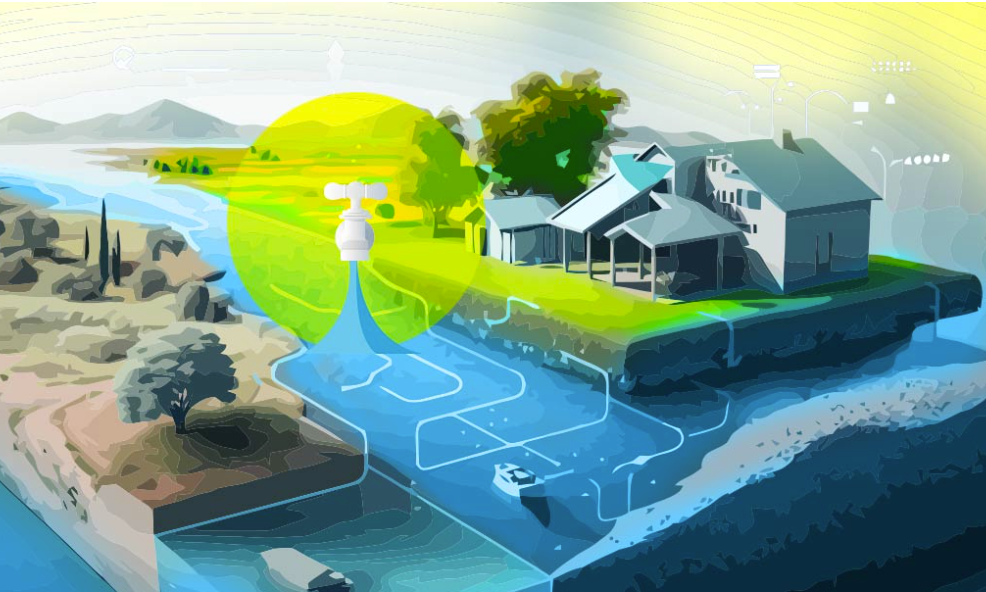
Technology enables precise water monitoring, automated controls, and informed decisions. Real-time sensors and smart meters reveal leaks and usage patterns, guiding targeted interventions. Data dashboards translate complex metrics into actionable insights for operators and households. Policy-aligned AI and interoperable infrastructure convert objectives into measurable outcomes while preserving privacy. The approach scales from faucet-level adjustments to modular reuse pilots, yet adoption hinges on trust, incentives, and transparent results that compel ongoing commitment. The next question: how to balance speed with safeguards?
How Tech Transforms Everyday Water Use
Technology reshapes everyday water use by enabling precise monitoring, automated control, and informed decision-making. The analysis examines how water metering supports accountability, identifies leaks, and optimizes usage patterns. Solutions emphasize user autonomy through transparent dashboards and modular systems. Faucet aeration reduces waste and enhances perceived flow, aligning efficiency with comfort. Data-driven adjustments foster proactive conservation without sacrificing freedom of choice.
See also: yirafire
Real-Time Sensors and Data for Smarter Conservation
Real-time sensors and data streams enable immediate visibility into water use, enabling rapid detection of inefficiencies and prompt corrective actions.
The approach hinges on smart sensors that capture granular flow and pressure metrics, feeding intuitive data dashboards for decision makers.
This supports future proofing and enhances water resilience, fostering data-driven maintenance, targeted conservation, and measurable, scalable efficiency gains.
Policy, AI, and Infrastructure for Efficient Water Management
Policy, AI, and infrastructure form an integrated framework for efficient water management by translating regulatory objectives and operational constraints into measurable outcomes.
The approach analyzes policy frameworks to align incentives with conservation goals, deploying data-driven risk assessment and performance metrics.
It prioritizes transparent AI ethics, scalable infrastructure investments, and interoperable standards to enable autonomous optimization without compromising public trust or resilience.
Building Community Solutions: From Leaks to Reuse
From community-oriented perspectives, the transition from leaks to reuse hinges on measurable public-value outcomes and locally tailored interventions. This analysis outlines scalable, transparent approaches: leak-detection networks, smart meters, and modular reuse pilots. Data privacy safeguards protect residents while enabling aggregated insights. Strong user engagement, cross-sector collaboration, and open-data practices drive trust, adoption, and sustained efficiency gains across municipal water systems.
Frequently Asked Questions
How Accessible Are These Tech Solutions for Low-Income Households?
Accessible solutions exist but affordability barriers persist for low-income households; data show long term savings, yet privacy concerns, data collection, and environmental risks shape trade-offs. DIY installation or professional help affect cost measurement, with cost-benefit realities guiding decisions.
What Are the Privacy Implications of Water-Use Data Collection?
Privacy concerns arise from water-use data collection, raising questions about data security and consent. Solutions emphasize robust encryption, governance, and transparency; address affordability access and deployment barriers, ensuring equitable benefits while enabling data-driven water-management, user autonomy, and ongoing monitoring.
Can Homeowners Install Smart Systems Without Professional Help?
DIY installation vs. professional installation is feasible for some smart systems, but climate suitability, system interoperability, warranty and support considerations, and trade-offs between autonomy and reliability should guide homeowners choosing independent setup over expert assistance.
How Do We Measure Long-Term Cost Savings Accurately?
Immediacy: to measure long-term cost savings accurately, one must use robust ROI methods, tracking incremental savings and initial costs over time. The approach emphasizes calculating ROI and data integrity, enabling independent, data-driven, freedom-loving stakeholders to verify outcomes.
What Are the Environmental Risks of New Water Technologies?
Environmental risks include environmental tradeoffs and lifecycle impacts that must be quantified; technologies may shift burdens elsewhere, require energy, materials, or rare resources. A data-driven approach identifies mitigation, monitoring, and governance strategies to minimize net negative effects while maximizing benefits.
Conclusion
Tech-driven tactics translate tides of data into tangible water savings. Real-time sensors, smart meters, and modular reuse pilots reveal leaks, patterns, and potentials, fueling precise, proactive management. Policy-aligned AI and interoperable infrastructure convert objectives into measurable outcomes, while privacy safeguards sustain trust. Community collaboration, transparent dashboards, and scalable solutions ensure repeatable reductions. Analytical insight paired with actionable decisions turns consumption into conservation, inefficiency into insight, and effort into enduring stewardship.
